
How to Winter-Proof your Home on a Budget

As energy bills rise and temperatures drop, preparing your home for winter is essential, not just for comfort but also for saving money.
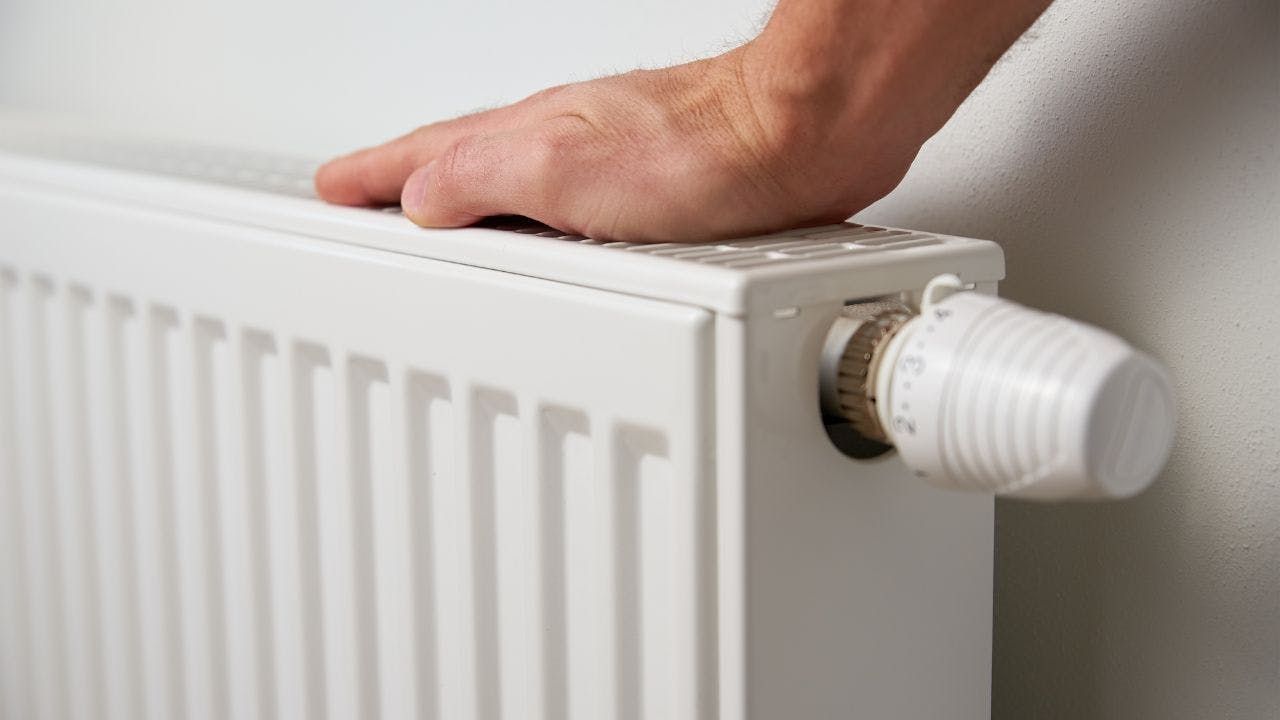
The good news is that winter-proofing doesn’t have to be expensive. With a few simple adjustments and affordable investments, you can reduce heat loss, cut energy costs and stay cosy without straining your budget.
The average UK household spends £2,500 annually on energy under the Energy Price Guarantee, with heating making up 55% of that cost, according to Ofgem. So tackling heat loss can significantly reduce your bills.
The Energy Saving Trust estimates that effective winter-proofing can lower energy costs by up to 30%, potentially saving households £500–£750 annually!
To help you winter-proof your home efficiently and affordably, we’ve put together a helpful guide full of research-backed tips and how much they could save you.
1. Seal Gaps Around Windows and Doors
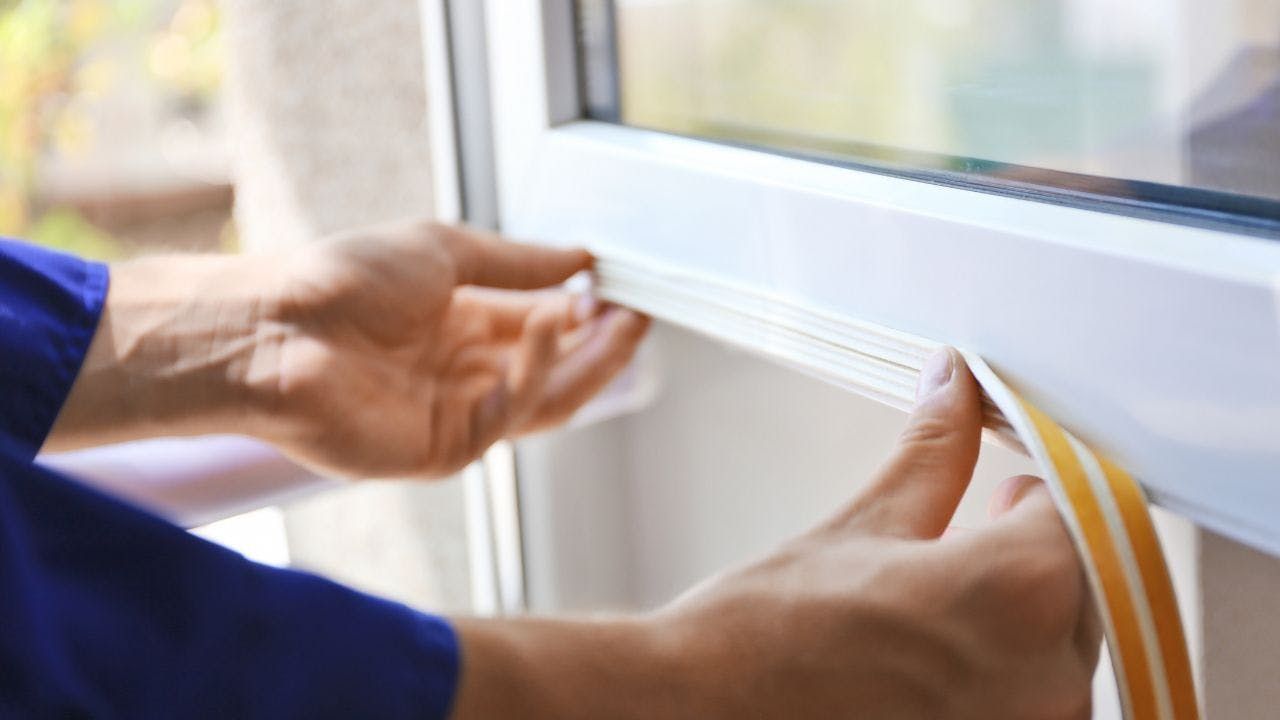
Cold air often seeps in through gaps around windows and doors, increasing your heating costs. By reducing draughts, you can cut your heating bills by £60 annually according to MoneySavingExpert. You can reduce draughts by sealing any gaps, all you need is self-adhesive draught excluder tape which costs between £10 and £20.
2. Insulate Your Loft
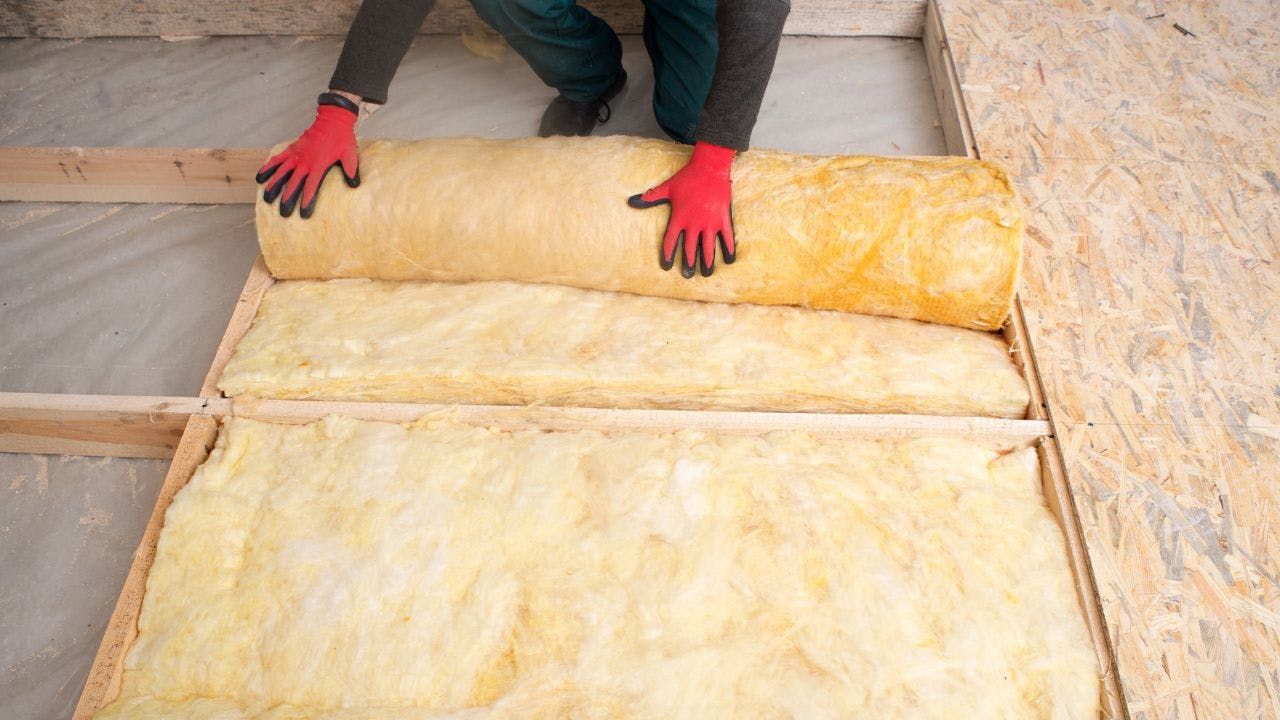
As heat rises, up to 25% of your home’s heat can escape through an uninsulated loft. By insulating your loft, you could save up to £355 annually, according to the Energy Saving Trust. Simply purchase loft insulation rolls from your local hardware store or B&Q. This process usually costs £200 for the typical home so it’s well worth it in the long run.
3. Use Thermal Curtains or Blinds
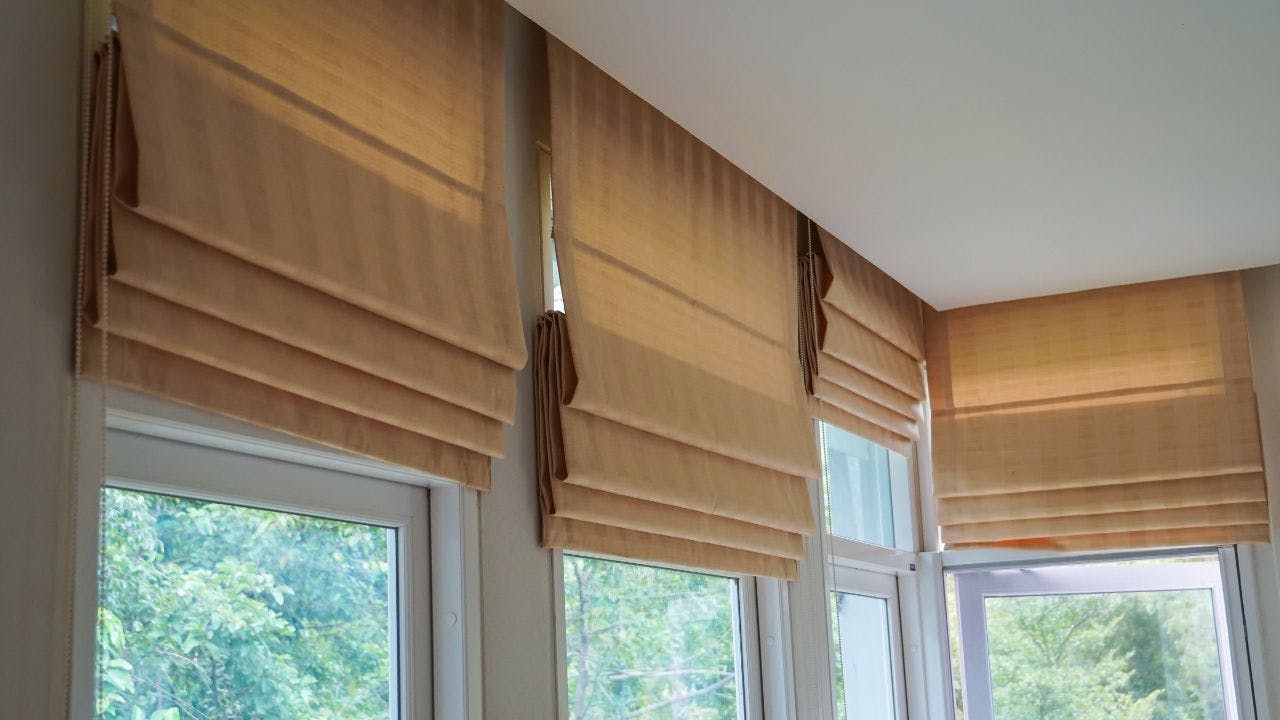
Windows are also a major source of heat loss, but heavy curtains or thermal blinds can make a difference. By investing in these from just £30 per window, you could reduce the heat loss in your home by up to 15%, saving £50–£100 annually.
4. Bleed Your Radiators
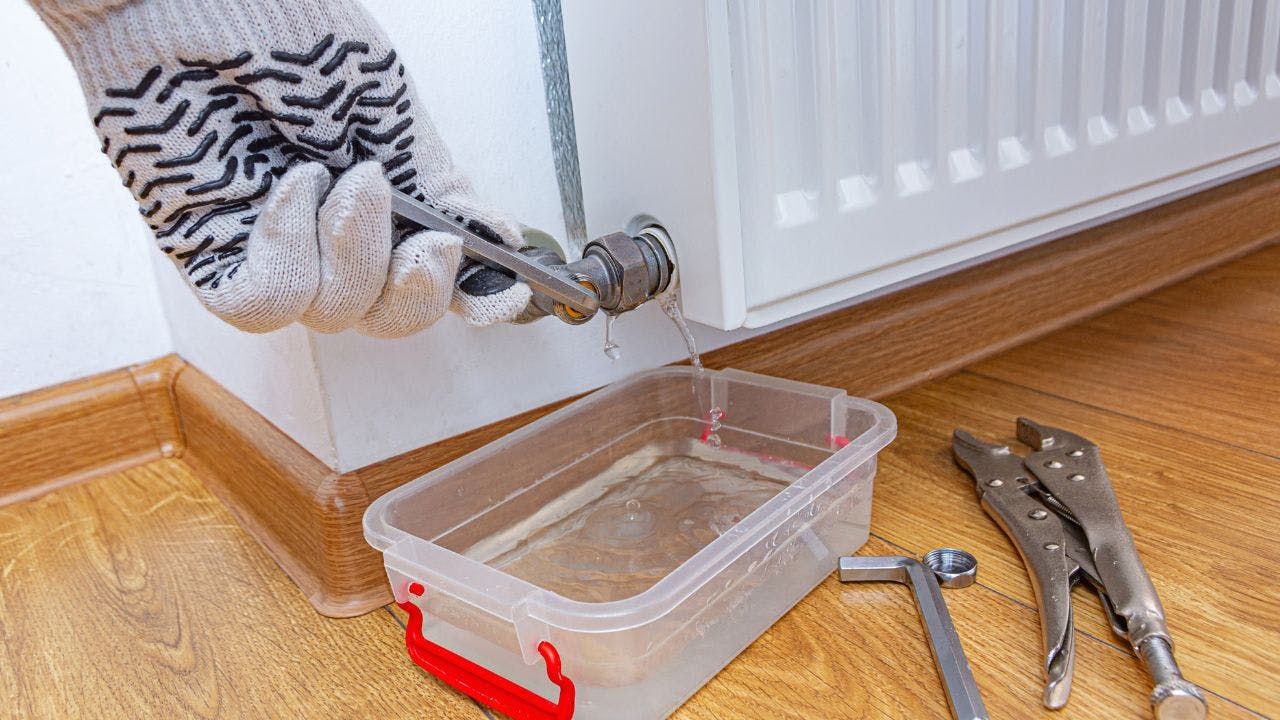
Trapped air in radiators prevents them from heating effectively so it’s important that you bleed them with a radiator key every year. This process takes a few minutes and is completely free if you already have a radiator key. If not, they cost around £2 and can be bought from a local hardware store or online marketplaces like Amazon. Bleeding your radiator can improve your heating efficiency, saving you up to £75 annually.
5. Use Draught Excluders
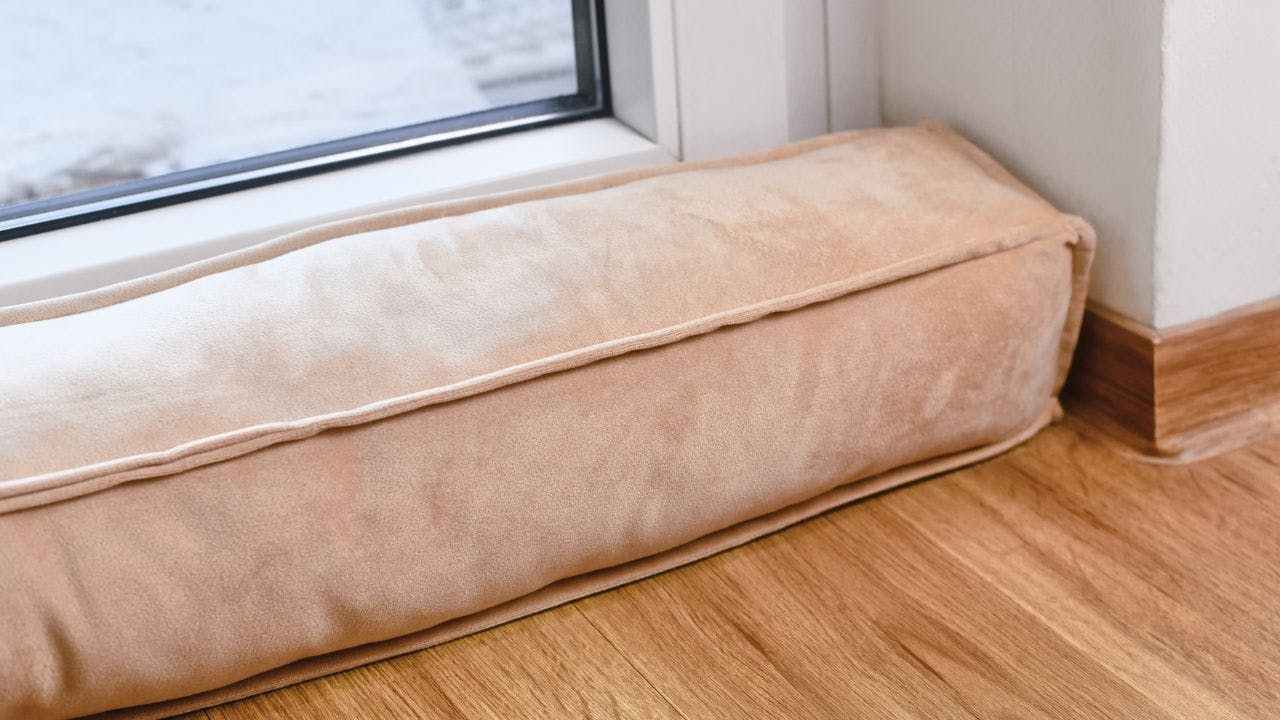
Draughts under doors are a huge culprit of heat loss, but thankfully they’re an easy fix. For £10 or under, you can purchase draught excluders that can be placed at the base of your doors to keep in as much heat as possible. In fact, this simple trick can save you around £20-£30 per year in heating costs.
6. Invest in Reflective Radiator Panels
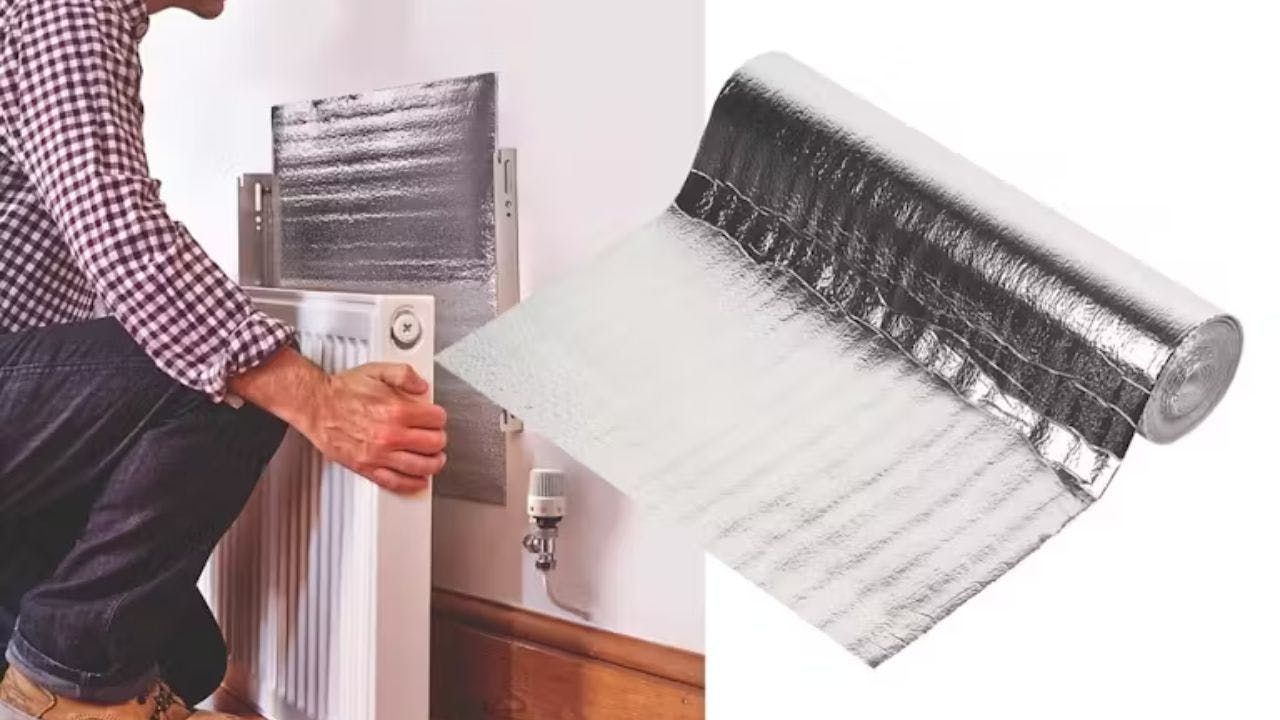
Reflective radiator panels bounce heat back into the room rather than letting it escape through walls. These nifty accessorises cost just £15-£30 for a pack and will save you £25-£35 annually per radiator.
7. Buy Chimney Draught Excluders
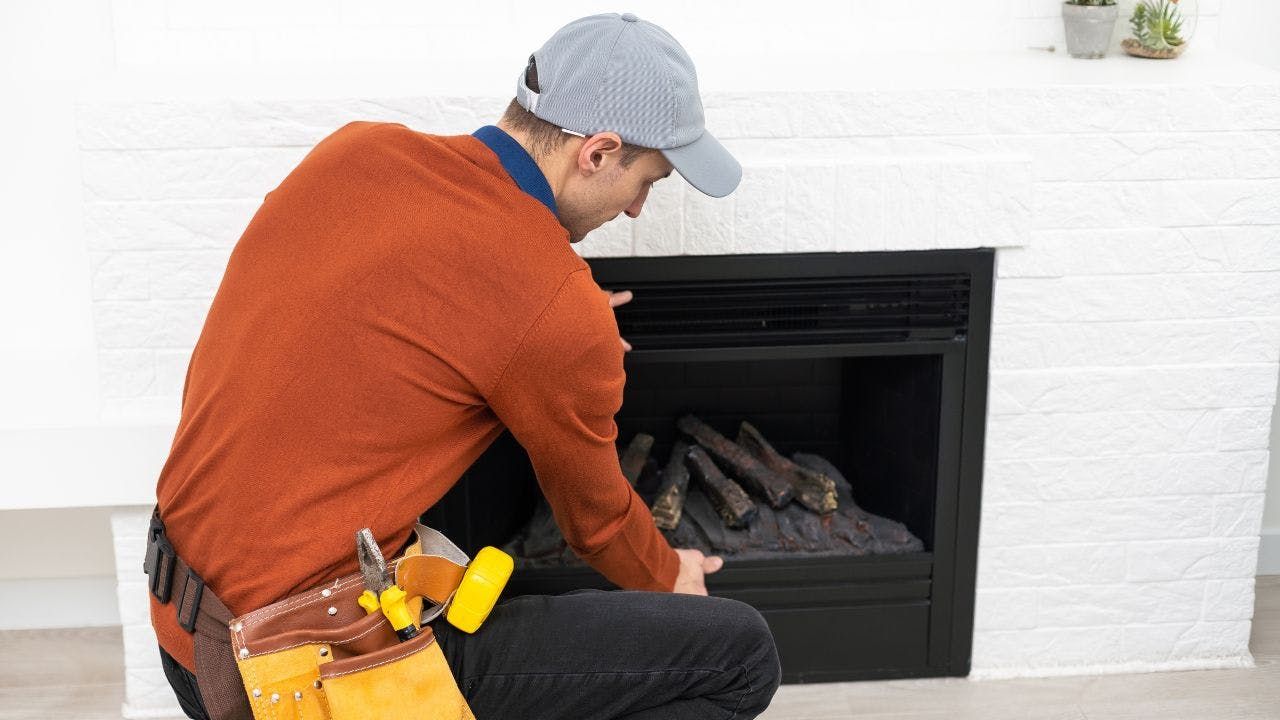
Unused chimneys can also let in a lot of cold air and allow heat to escape. To fix this problem, you can use an inflatable or solid draught excluder. Costing just £15-£20, these can save you £50 per year by blocking chimney draughts.
8. Install a Smart Thermostat
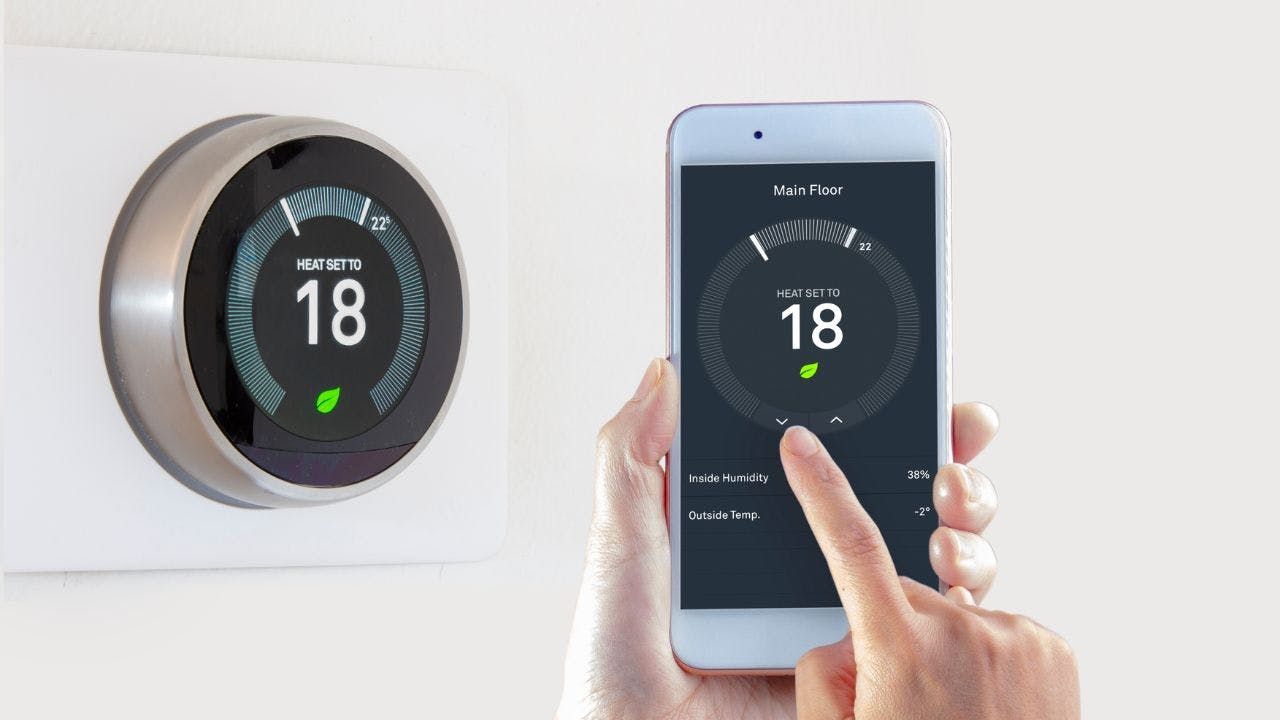
Smart thermostats like Nest or Hive let you control your heating more efficiently, adjusting it based on when you’re home or away. Smart thermostats cost around £150-£250 upfront but can reduce your energy bills by up to £180 annually.
9. Use Daylight for Heat

It may sound simple, but opening your curtains during the day to let sunlight in can actually warm your home. In fact, it can reduce heating usage saving you around £20-£40 per year. Just make sure you close them at dusk to trap any heat that has accumulated inside.
10. Rearrange Furniture

Another easy thing you can do is move furniture away from radiators to allow heat to circulate freely. Not only will this improve heating efficiency in your home but it will also save you £10-£20 per year.
11. Close Unused Rooms
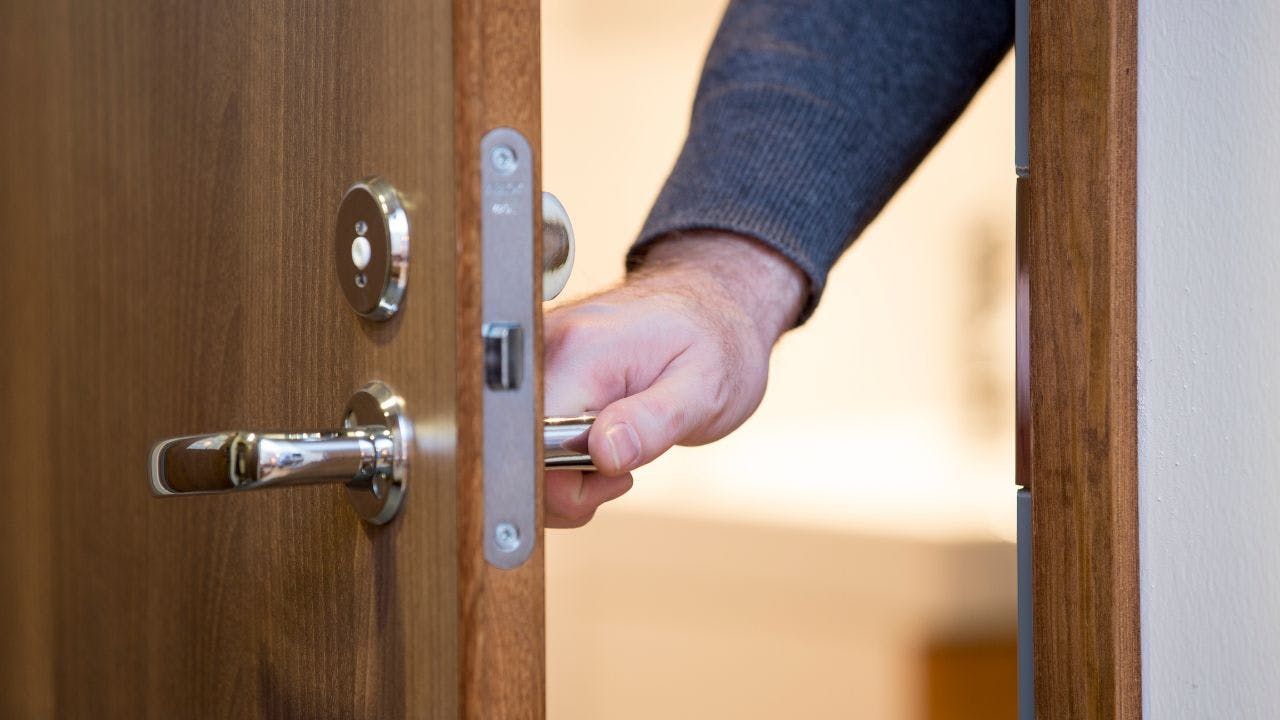
You should also shut doors to rooms you don’t use to concentrate heat in occupied spaces. By simply closing doors, you could cut your heating bills by 10%, saving £100–£150 annually.
12. Invest in Double-Glazing Windows
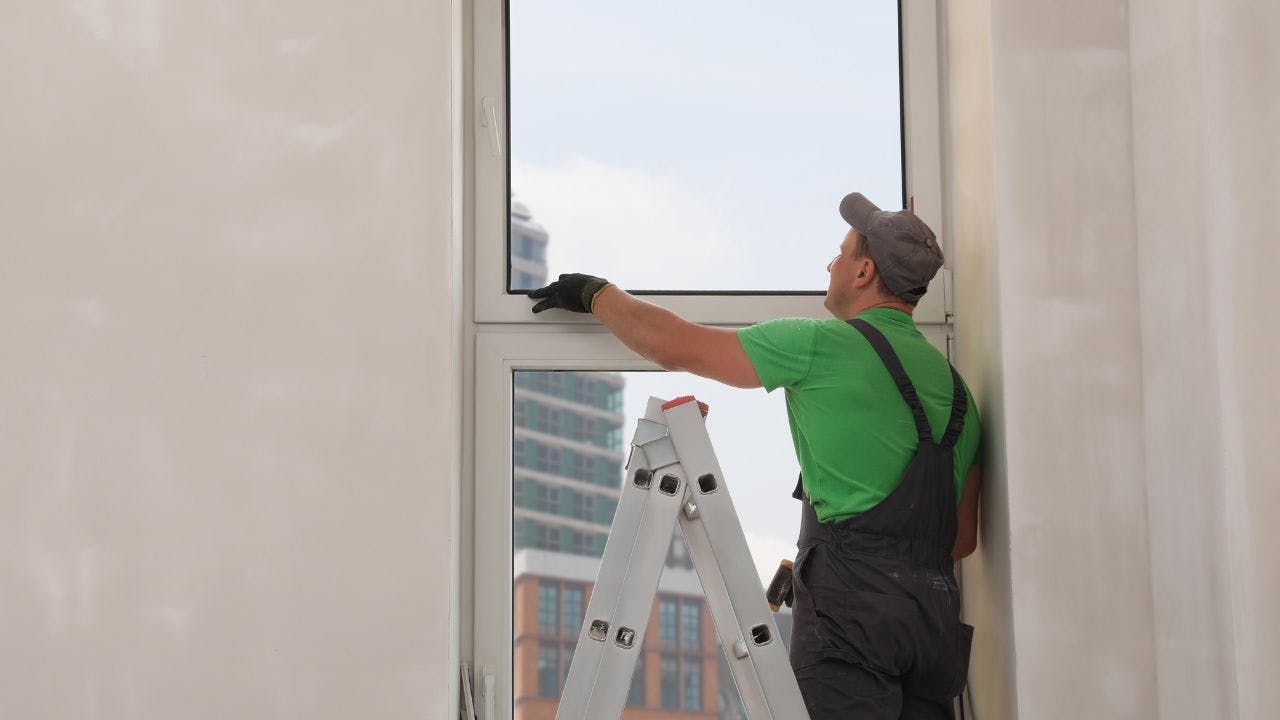
Replacing single-pane windows with double glazing can drastically reduce heat loss. Although installing double glazing can be pricey, it will save you over £200 annually. It is also more durable and much safer than single-pane windows, lasting up to £50 years.
13. Insulate your Walls
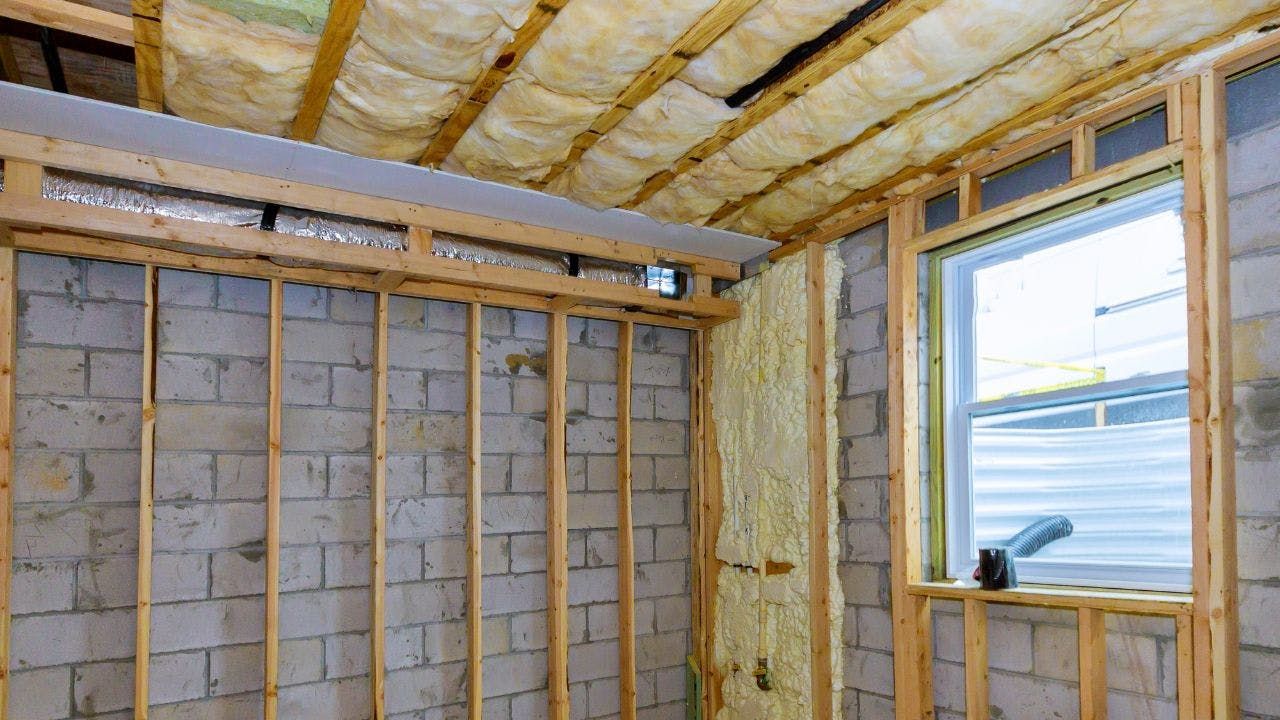
We recommend insulating your walls to reduce your heating bills. Solid wall insulation prevents significant heat loss and can cut costs by up to £540 per year, according to the Energy Saving Trust. If you’re looking for more ways you can improve insulation around your home, check out our full guide.
14. Apply for Energy Grants
Government programmes can help subsidise the cost of insulation or energy-saving upgrades made to your home. Grants can cover up to 100% of installation costs depending on your income and eligibility. Check out the Government Help to Heat scheme for more information.