How to avoid the latest HMRC Scams

Tax season is here, meaning HMRC scams are back.
This time of year is a hotspot for HMRC-related fraud, with scammers trying every trick in the book to get their hands on your cash – and they’re getting smarter!
At NetVoucherCodes, saving you money is what we do – and that includes knowing how to spot a scam before it costs you.

We’ve seen our fair share of suspicious texts and dodgy emails throughout the years, but the ones doing the rounds in 2025 are some of the most convincing (and worrying) yet!
Here are some of the most common HMRC scams hitting inboxes and phones right now, plus what you can do to stay safe.
“You’re Due a Tax Rebate” Texts or Emails
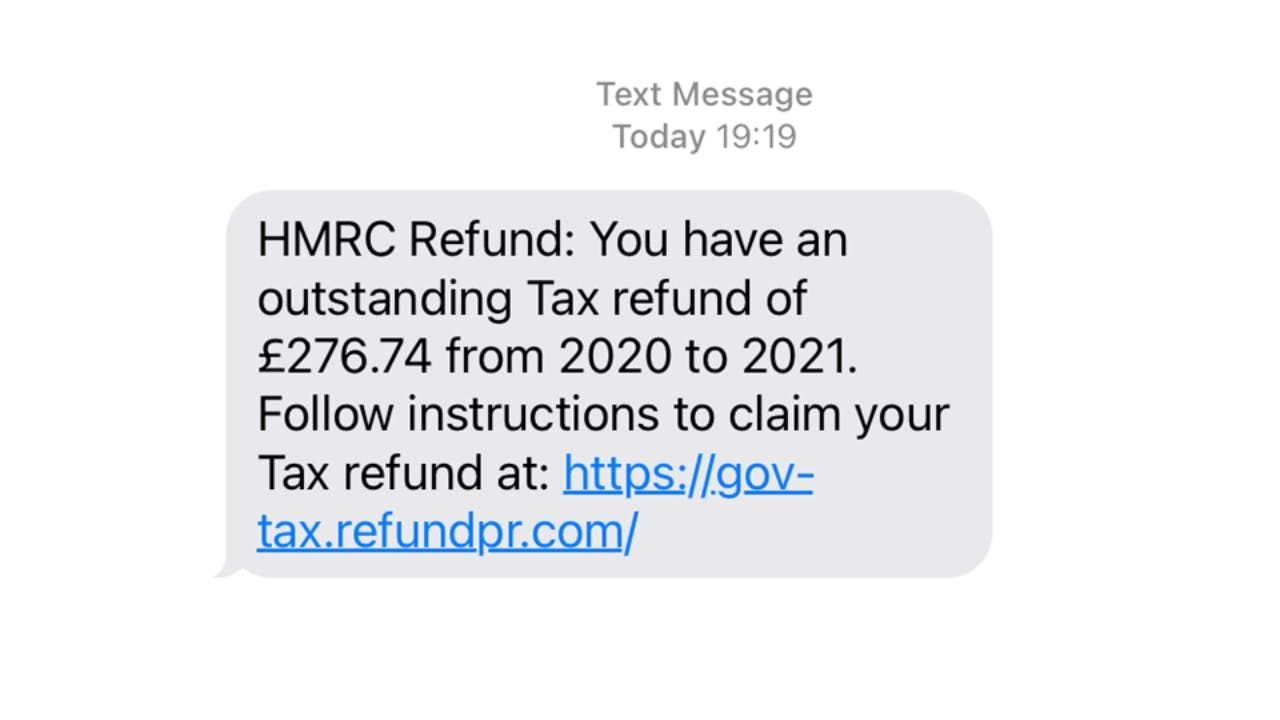
This scam comes back every year for a reason – it works! You’ll get a message claiming you’re owed a refund, with a link to “claim” your money. It might even look like it’s come from HMRC. But that link will usually take you to a fake website, asking for everything from your bank details to your National Insurance number.
What to do:
Only trust emails from addresses ending in @hmrc.gov.uk. If you’re unsure, log in to your account directly through GOV.UK – never via a link in a message. And if you get a suspicious email, forward it to phishing@hmrc.gov.uk.
Robocalls about Legal Action
You might get a phone call with a robotic voice telling you that HMRC is taking you to court, or worse, that you’ll be arrested unless you pay a fine or ‘press 1’ to speak to someone. This is designed to frighten you into handing over personal info or card details.
What to do:
HMRC will never call out of the blue and threaten legal action. Hang up. Don’t press anything. If you’re worried, call HMRC directly on 0300 200 3300.
Fake Self-Assessment “Verification” Emails
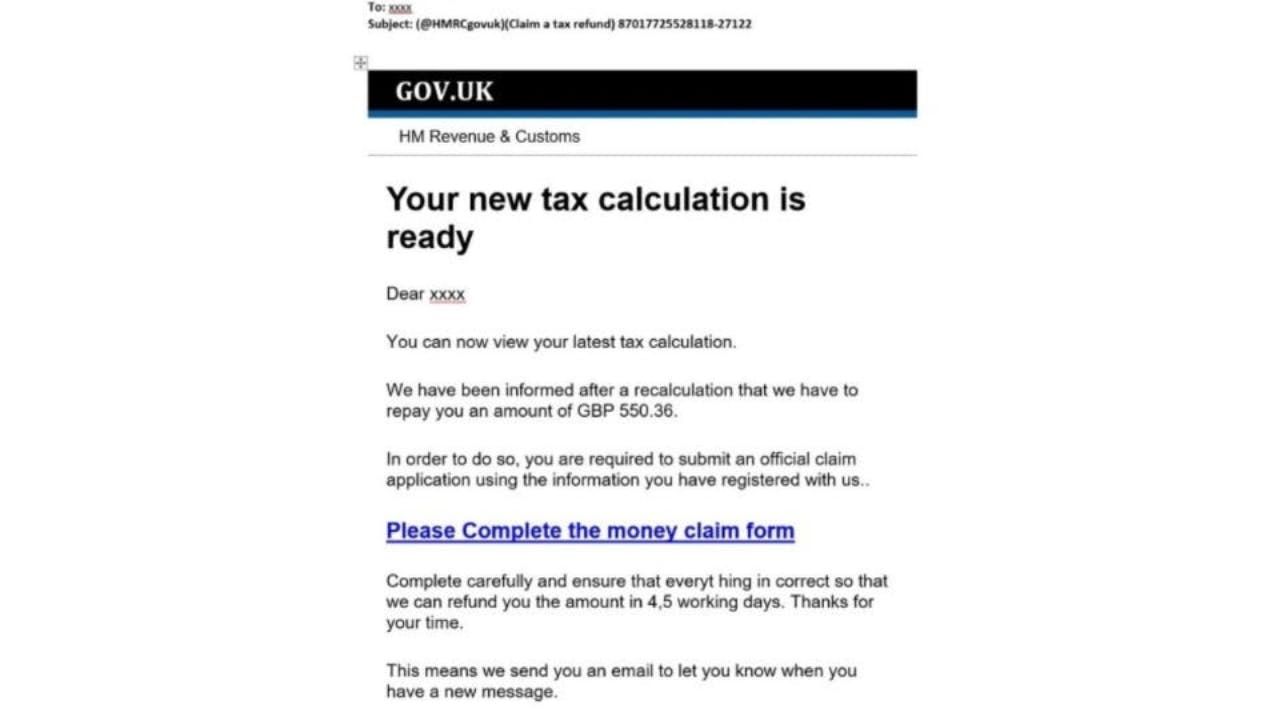
After the tax return deadline passes, scammers change their tactics. They will now start claiming that something is wrong with your return, and ask you to log in and verify details through a fake HMRC page.
What to do:
Ignore the link. If you want to check your return, go to gov.uk and log in there. Never share passwords or security answers through email.
Social Media “Tax Experts” Promising Big Refunds
We knew it wouldn’t be long before scammers start using social media as their new tactic. And the latest scam on the block does just that.
Seen a TikTok or Insta post claiming you’re missing out on hundreds in refunds? These so-called “refund agents” promise to unlock hidden money, often in exchange for a fee or cut. Some will even ask for your HMRC login (a huge red flag!).

What to do:
Always use a registered tax agent if you need help. You can check if someone’s legit on the GOV.UK agent register. Never share your login with anyone!
Threatening WhatsApp Messages or Emails

Scammers are now sending out fake legal notices via WhatsApp or email, warning of unpaid tax or court appearances. Some even attach PDFs with HMRC logos and “summons” letters to scare you into responding!
What to do:
HMRC does not send arrest notices or court summons via WhatsApp. Delete, block and report the sender. If you’re still unsure, ring HMRC using a verified number from their website.
National Insurance “Compromised” Calls
This one’s nasty. You get a call either from a real person or an automated voice, saying your NI number has been used fraudulently and your bank account is at risk. They might ask for ID info, or even tell you to move your money to a ‘safe account.’

What to do:
Don’t give them anything. Hang up and report it. Your NI number can’t be frozen, and HMRC will never ask you to transfer money.
Fake Tax Refund Letters in the Post
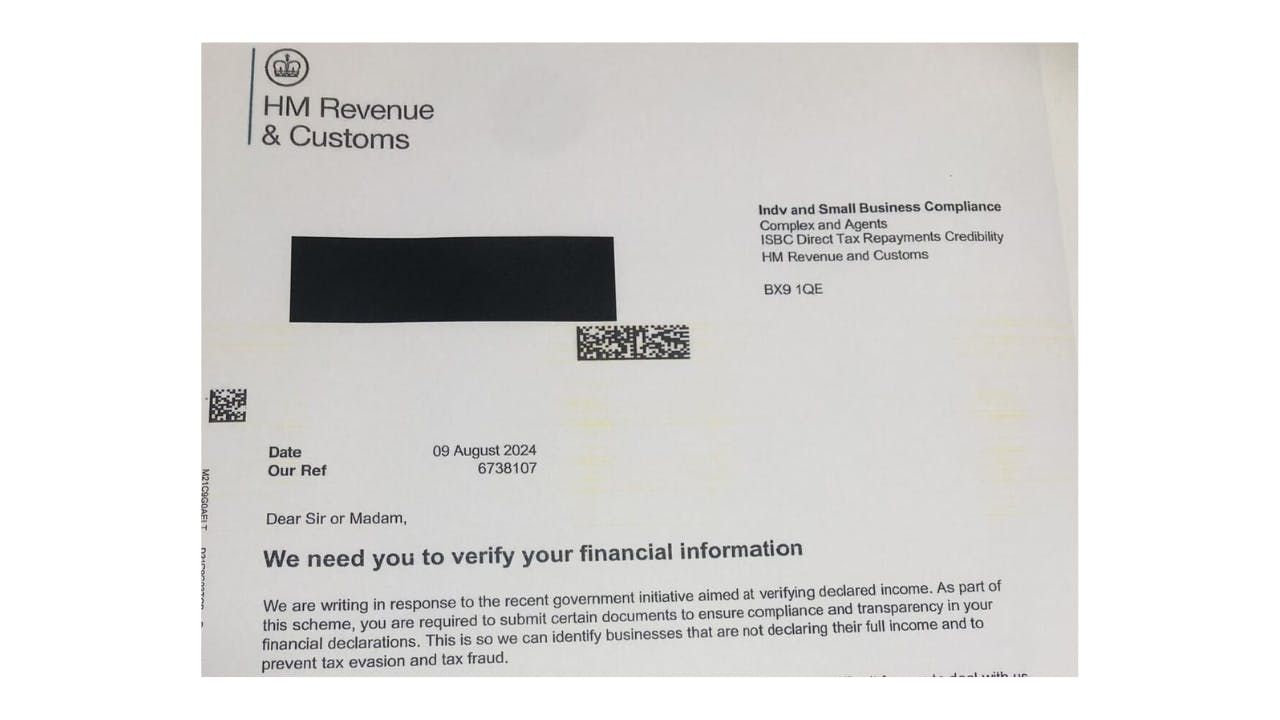
While most scams are online, a few still arrive the old-fashioned way. Some people are receiving realistic-looking letters claiming they’re owed a tax refund and asking for personal details, bank info or copies of their ID.
What to do:
Compare the letter with a genuine HMRC post if you have one. And again, when in doubt, contact HMRC directly.
Quick Tips to Stay Safe
Scams like these don’t just cost money – they cause stress and panic at a time when we should be focusing on managing our finances smartly.
At NetVoucherCodes, we believe the best way to save is by staying informed and cautious, especially when fraudsters are constantly coming up with new ways to catch people out!
- Never trust a link in a message or email unless you’re sure it’s legit.
- Only access your tax account through www.gov.uk.
- Never share your login details, passwords or security answers – especially over text, WhatsApp or Email.
Report anything dodgy to HMRC. Email phishing@hmrc.gov.uk or forward suspicious SMS messages to 60599.