
Ways to Save Money: Practical Tips for UK Households

If your monthly budget feels tighter than it used to, you’re not alone.
From food shopping and energy bills to subscriptions, travel, insurance and everyday online spending, there are plenty of small costs that can quietly add up.
The good news is that saving money does not always mean making huge lifestyle changes. A few simple swaps, better habits and smarter checks before you buy can make a noticeable difference over the year.
Whether you want to cut your weekly food bill, reduce household costs, shop more carefully online or build up a savings pot, these practical tips can help you take back a little more control of your money.
Our top money-saving tips
Use a Budget Planner
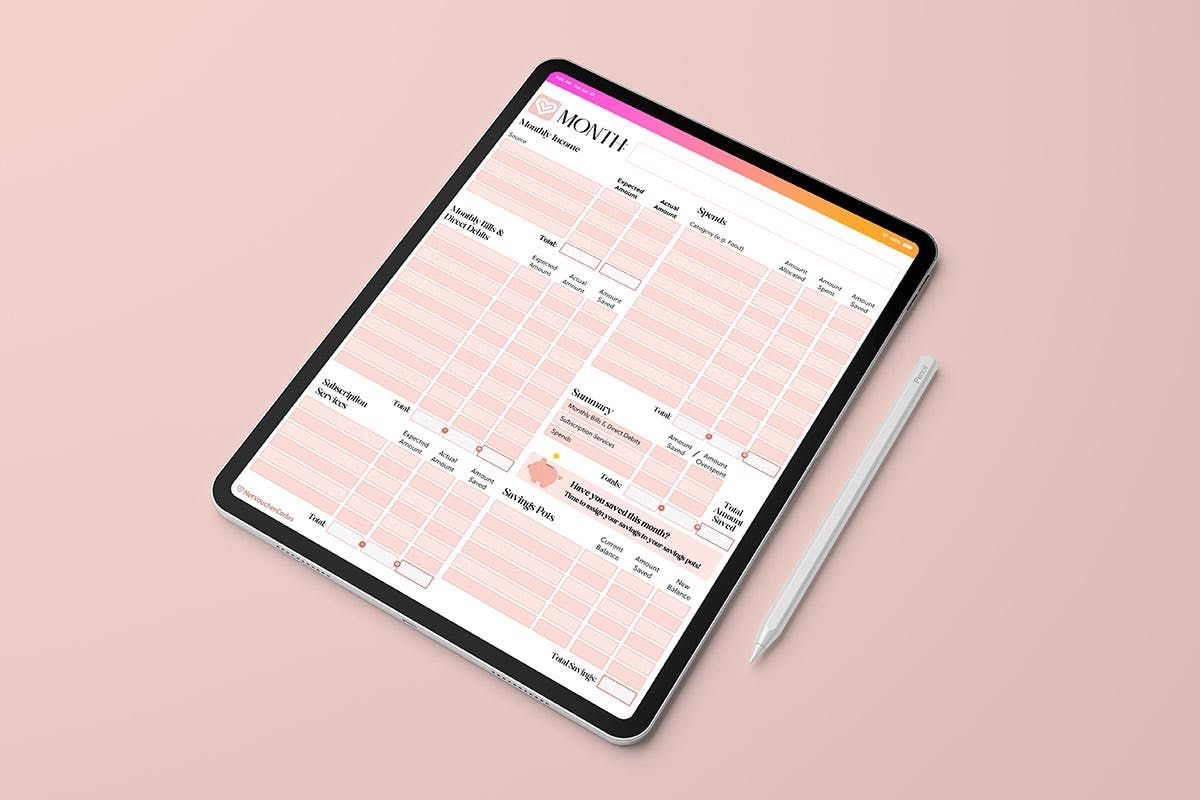
A budget planner will not magically fix your finances, but it can make it much easier to see where your money is actually going.
It is easy to lose track when you are tapping your card, using Apple Pay, paying by direct debit and ordering little extras online throughout the month. A budget planner gives you one clear place to track what is coming in, what is going out and where you could cut back.
Start by listing:
- Your monthly income
- Rent or mortgage payments
- Household bills
- Food shopping
- Travel costs
- Subscriptions
- Debt repayments
- Savings
- Everyday spending
Once everything is written down, you can spot the areas that need attention. You might find you are spending more than expected on takeaways, unused subscriptions, convenience shops or small online orders.
At NetVoucherCodes, we’ve created a free budgeting planner to help you get started. Use it alongside your bank statements so you can build a realistic picture of your spending rather than guessing.
Try a Money Saving Challenge

Money-saving challenges are popular because they make saving feel more manageable. Instead of trying to put away a big amount in one go, you save a little and often.
You could try:
- A penny-a-day challenge
- A no-spend weekend
- A £1-a-day savings pot
- A weekly cash envelope challenge
- A round-up savings challenge through your banking app
- A “save what you don’t spend” challenge after cancelling a subscription
The best challenge is the one you can actually stick to. If money is already tight, avoid anything that feels unrealistic. Even saving £5 a week adds up to £260 over a year, which could cover Christmas presents, a short break, school uniform costs or an emergency bill.
Fancy giving one a try? We’ve rounded up all the best money-saving challenges proven to work here.
Make better use of your freezer
Your freezer is one of the easiest tools for cutting food waste and stretching your food shop further. If you often throw away food that has passed its use-by date or bin leftovers after dinner, freezing more of what you buy can help you save.

A few easy ways to use your freezer better:
- Freeze yellow sticker bargains: If you spot reduced meat, bread, fish, fruit or ready meals, check whether they can be frozen before buying.
- Batch cook meals: Cook extra portions of chilli, soup, curry, pasta sauce or stew and freeze them for busy nights.
- Freeze bread: Keep a loaf in the freezer and take out slices as you need them.
- Save leftovers: Freeze small portions for lunches instead of buying food at work.
- Buy in bulk carefully: Larger packs can work out cheaper, but only if you freeze what you will not use straight away.
Before freezing food, check the label and write the date on the packaging. It is also worth keeping a simple freezer list so you do not forget what you already have.
If you’re unsure whether or not you can freeze certain foods, check out our Foods You Can Freeze blog for tons of surprising foods you didn’t know you could freeze!
Start a Side Hustle
If your income is not stretching as far as you need it to, a side hustle can be a useful way to bring in extra money. It does not need to mean starting a full business. Sometimes it is simply using a skill, hobby or spare few hours to earn a bit more.
A few ideas include:
- Freelance writing, design, admin or social media work
- Tutoring online or locally
- Pet sitting or dog walking
- Selling clothes on Vinted or Depop
- Selling unwanted items at a car boot sale
- Making digital downloads or templates
- Offering local services such as ironing, gardening or cleaning
- Selling handmade items if you already enjoy crafts
- Become a Social Media Content Creator
The best side hustle is one that fits around your life without costing too much to start. Be careful with anything that asks you to pay upfront, buy stock you cannot afford, or promises quick money with very little effort.
Cancel subscriptions you no longer use

Subscriptions are one of the easiest places to save because they often renew quietly in the background. Streaming services, apps, delivery passes, cloud storage, fitness platforms, children’s apps and free trials can all add up.
Go through your bank statement and ask yourself:
- Do I still use this?
- Could I downgrade to a cheaper plan?
- Am I paying for the same thing twice?
- Did a free trial turn into a paid subscription?
- Could I rotate services instead of keeping several active?
For TV and film subscriptions, try “leapfrogging”. Pick one streaming service for a month, watch what you want, cancel, then move to another. It works especially well if you only use certain services for one or two shows.
Also, check whether you are on a premium plan you no longer need. Ad-supported plans, annual payments and household sharing options may work out cheaper, depending on how often you use the service.
Still unsure of how to save? We’ve put together a helpful guide with tons of ways you can reduce the cost of your subscriptions ↗.
Shop second-hand where it makes sense
Second-hand shopping can save you money and reduce waste, especially for items that do not need to be brand new. Clothes, baby items, toys, furniture, books, homeware and exercise equipment are often much cheaper pre-owned.

Good places to look include charity shops, local selling groups, car boot sales and second-hand apps. Just make sure you compare the second-hand price with the cost of buying new in a sale. Sometimes a new item with a discount code or outlet offer can work out better, especially if it comes with a warranty.
For higher-value items, always check:
- The condition
- Whether returns are accepted
- Collection or delivery costs
- Whether the seller has good reviews
- Whether the product is genuine
- Whether accessories are included
Second-hand is not always the right choice, but for low-risk everyday items, it can be a simple way to spend less.
Check out our How to Save Money by Going Green ↗ blog post for the full lowdown and helpful tips & tricks.
Save money on fitness

If your gym membership is one of your bigger monthly costs, it is worth checking whether you still use it enough to justify the price.
You do not have to ditch fitness completely to save money. You could:
- Switch to a lower-cost gym
- Downgrade your current membership
- Cancel extras such as spa access or premium classes
- Use free YouTube workouts
- Try home workouts
- Join a local running or walking group
- Use free outdoor gyms
- Buy second-hand fitness equipment
- Look for free trials before joining anywhere new
If you still want a gym membership, compare cheaper options in your area and check whether NetVoucherCodes has offers for fitness brands such as The Gym Group. A lower monthly fee can save a decent amount over the year without changing your routine too much.
Save on your heating bills
Heating is one of the biggest household costs, so small changes can make a difference. Start with the basics before spending money on bigger upgrades.
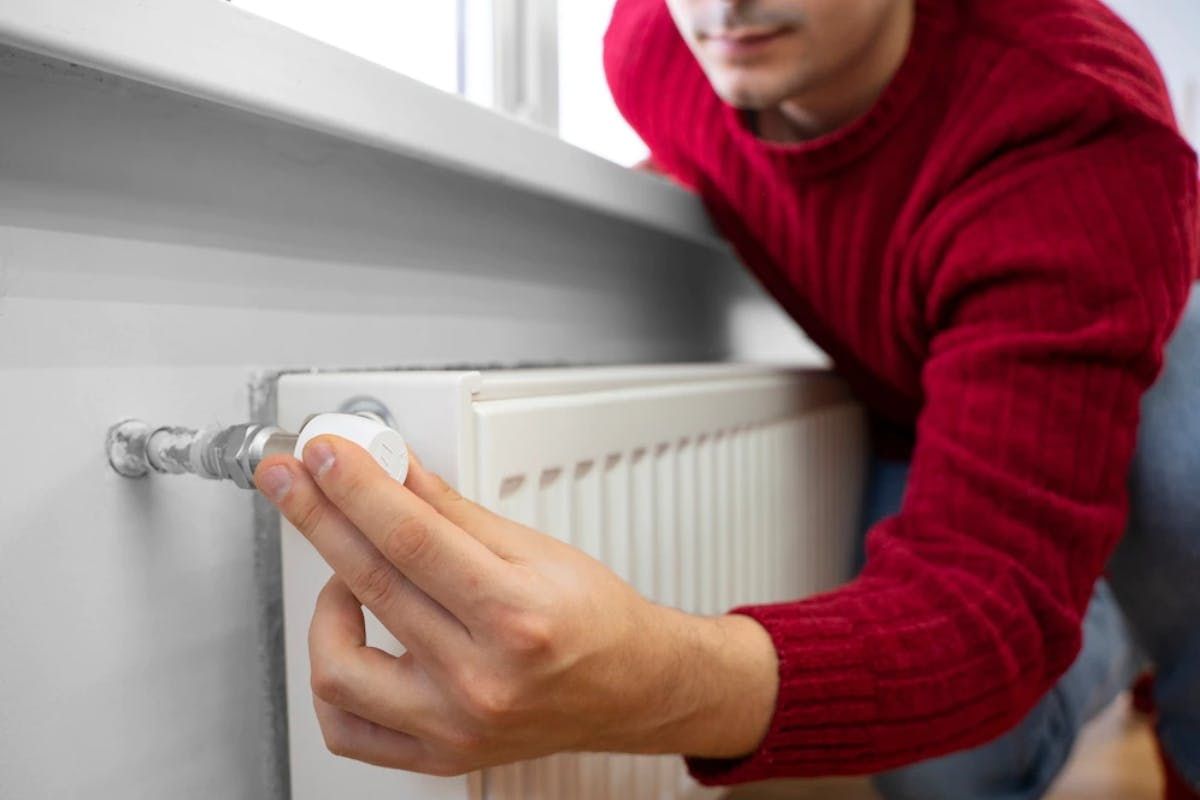
You could try:
- Turning the thermostat down slightly
- Only heating rooms you use
- Closing curtains at night
- Using draught excluders around doors
- Sealing gaps around windows
- Bleeding radiators
- Moving furniture away from radiators
- Using radiator reflector panels
- Checking loft insulation
- Using a hot water bottle or extra layer before turning the heating up
You can usually pick up smaller energy-saving essentials, such as draught excluders, radiator reflector panels, sealant and loft insulation, from DIY retailers like B&Q and Wickes. Before buying, check whether there is a current discount code or free delivery offer, especially if you are ordering several home improvement bits at once.
Energy Saving Trust says draught-free homes can feel comfortable at lower temperatures, and turning a thermostat down from 22°C to 21°C could save around £90 a year in Great Britain. It also recommends simple DIY jobs such as draught proofing, LED bulbs, radiator panels and hot water tank jackets.
Our very own insulation expert here at NetVoucherCodes gave us the lowdown on affordable ways to insulate your home over on our blog.
If your home is hard to heat, check whether you qualify for energy support, local council schemes or insulation grants before paying for work yourself.
Monitor your Appliance Usage

Appliances can quietly add to your energy bill, especially if you use them out of habit rather than need.
A few easy changes include:
- Wash clothes at lower temperatures where suitable
- Use an extra spin so clothes dry faster
- Air-dry clothes instead of using the tumble dryer when possible
- Only run the dishwasher when it is full
- Turn appliances off at the plug when they are not in use
- Use a power strip to switch several devices off at once
- Avoid overfilling the kettle
- Use lids on pans when cooking
- Check whether smaller appliances are cheaper for smaller meals
A smart meter can also help you see which habits cost more. It will not save money by itself, but it can make your usage easier to understand.
If you are replacing an old appliance, it is worth comparing energy-efficient models from retailers such as AO.com, Currys and Argos before you buy. Check the running costs, delivery fees and whether there is a live voucher code, as the lowest upfront price is not always the best long-term value.
Try a low-spend month
You do not have to give up everything to reset your spending. A low-spend month can be a good way to pause unnecessary purchases and spot where your money normally goes.

Pick a category to cut back on, such as takeaways, clothes, alcohol, coffees, beauty buys or random online orders. Then set a realistic rule for the month.
For example:
- No takeaways Monday to Thursday
- Only buy clothes if replacing something you need
- Use up toiletries before buying more
- Take lunch to work three days a week
- Plan free weekends instead of paid days out
The aim is not to make life miserable. It is to break the habit of buying without thinking.
Sign up for Loyalty Schemes

Loyalty schemes can be useful if you already shop with a retailer regularly. Many are free to join and offer points, member prices, birthday rewards, app-only deals or early access to sales.
Before signing up, check whether the scheme gives you something genuinely useful. The best ones help you save on things you were already going to buy, not tempt you into spending more.
Look out for:
- Supermarket loyalty prices
- Points on everyday spending
- Birthday treats
- Personalised offers
- Free delivery perks
- App-only discounts
- Early sale access
It is also worth checking NetVoucherCodes for live discounts before you shop, as a voucher code may save you more than loyalty points alone.
Have a clear out and sell what you no longer use
A clear out can be a quick way to make extra money and free up space at home. Start with items that are easy to sell, such as clothes, shoes, toys, books, games, baby items, furniture, tech and small appliances.
Make sure your listings are honest and clear. Take photos in good light, include measurements, mention any faults and price items realistically.
Good items to start with include:
- clothes you have not worn in a year
- children’s clothes and toys
- unused gifts
- small furniture
- old phones or tablets
- books, games and DVDs
- homeware you no longer need
- fitness equipment
If something is not worth selling, consider donating it instead. The main goal is to turn unused items into money or space, not leave them sitting in bags for months.
Downshift brands on your food shop
Downshifting means moving one brand level down when you shop. So instead of buying a big-name brand, you try the supermarket’s own-brand version. If you cannot tell much difference, stick with the cheaper one.

This can work well for:
- Cereal
- Pasta
- Rice
- Tinned food
- Cleaning products
- Toiletries
- Frozen vegetables
- Biscuits
- Snacks
- Soft drinks
You do not have to swap everything at once. Try it with five items on your next shop and keep the swaps you are happy with. Even small savings on products you buy every week can add up over the year.
There are tons of ways you can save money when it comes to your food shop, which is why we’ve created an in-depth guide to help you out. Check it out to start saving!
How we’ve saved
“One of the easiest swaps I’ve made is moving from branded food basics to supermarket own-brand alternatives. Things like cereal, pasta, tinned tomatoes and cleaning products made the biggest difference because they’re items I buy every week. Even saving £5 to £10 on a regular shop can add up quickly over the month.”
Rebecca Bebbington, Content Writer at NetVoucherCodes
Shop smarter at the supermarket
Food shopping is one of the easiest budgets to lose control of, especially when prices keep changing. A few habits can help you spend less without completely changing what you eat.
Try this before your next shop:
- Write a list and stick to it
- Check what you already have at home
- Plan meals around ingredients you need to use up
- Compare price per 100g or 100ml
- Avoid shopping when you are hungry
- Use loyalty prices where they genuinely save money
- Check the yellow sticker sections
- Buy frozen fruit and veg where it works out cheaper
- Avoid convenience stores for bigger shops
- Use coupons only for products you actually need
If your local shop is convenient but expensive, try planning one bigger weekly shop at a cheaper supermarket and using the corner shop only for emergencies.
You can also check whether there are live offers for food and grocery retailers such as Iceland or Marks and Spencer, especially if you are stocking up for a bigger shop, buying freezer staples or planning food for a special occasion.
Reduce food waste and rescue leftovers

Throwing away food is like throwing away money. If you often bin leftovers or forget what is in the fridge, a few simple changes can help.
Use a “needs eating first” shelf in your fridge so everyone knows what to use up. Keep leftovers in clear containers and label them with the date. You can also plan one “use it up” meal each week, such as soup, pasta, stir fry, omelette or jacket potatoes.
Food waste apps can also help you buy surplus food from local shops, cafes and restaurants for less. Just be careful not to buy food you would not normally use simply because it looks like a bargain.
Before recommending specific apps, check that each one is still active and useful in the UK.
Batch cook your meals
Batch cooking is one of the easiest ways to save money, time and energy. It works especially well if you often buy lunch at work, order takeaways when you are tired, or waste ingredients because you only use half a pack.

Good meals to batch cook include:
- Chilli
- Curry
- Pasta sauce
- Soup
- Stew
- Shepherd’s pie
- Lasagne
- Bolognese
- Breakfast muffins
- Overnight oats
Choose one or two meals to cook in larger portions, then freeze them in single or family-sized containers. This gives you an easy backup for busy days and helps you avoid last-minute spending.
Check out our Meal Planning to Save Money ↗ guide for some inspo!
Use cash or spending pots to control everyday spending
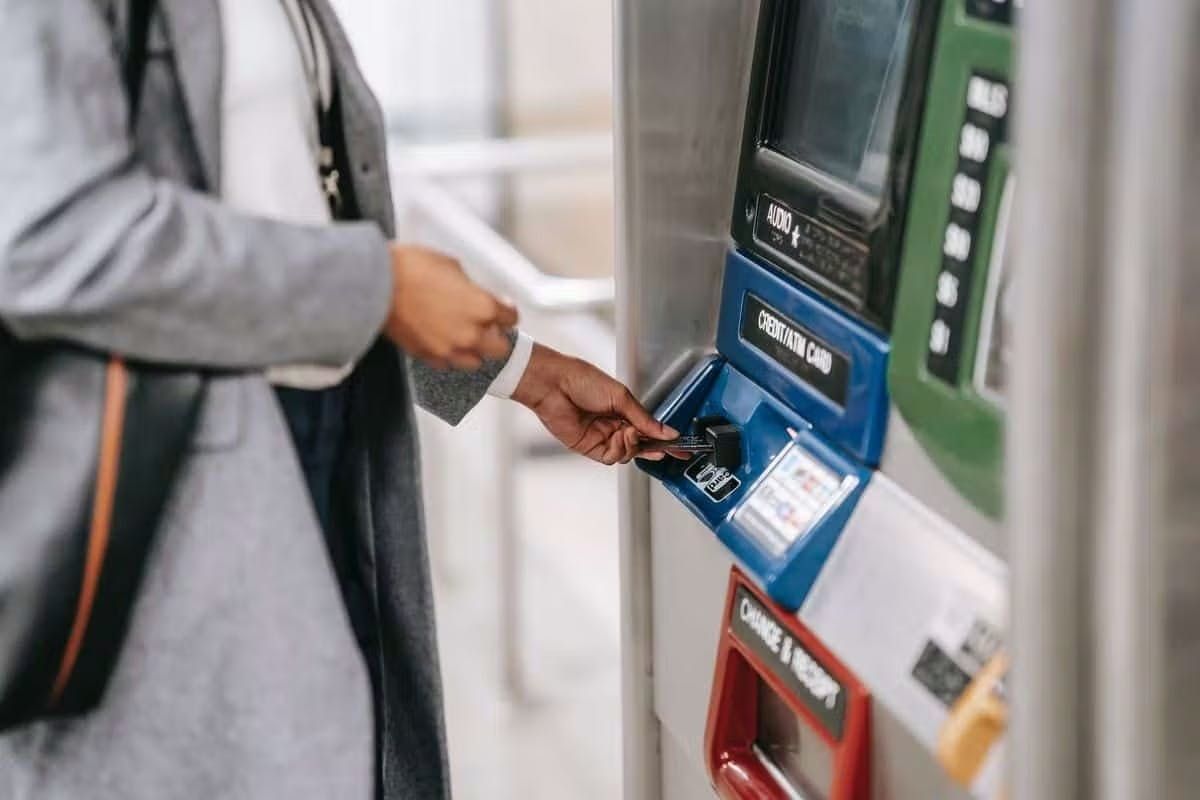
If contactless payments make it too easy to overspend, try setting a weekly allowance for flexible spending.
You can do this with cash, a separate bank account, or spending pots in your banking app. The idea is simple: once that week’s spending money is gone, you pause until the next week.
This can work well for:
- Coffees
- Lunches
- Takeaways
- Small treats
- Social plans
- Clothes
- Beauty buys
- Online shopping
Cash is not practical for everyone, but the principle still works digitally. Keeping your everyday spending separate from your bills account makes it much easier to see what you have left.
Shop sales carefully, not impulsively

Sales can save you money, but only if you are buying something you actually need or had already planned to purchase.
Before buying something in a sale, ask:
- Would I still want this at full price?
- Is it cheaper anywhere else?
- Can I use a voucher code on top?
- Is delivery included?
- Can I return it if it is not right?
- Am I buying it just because the discount looks good?
January sales, Easter sales, payday promotions, Black Friday, Cyber Monday, Boxing Day and end-of-season clearance can all be useful. The trick is to make a list before the sale starts, so you are not tempted by things you do not need.
If you are planning ahead for the festive season, our guide to ways to save money this Christmas has more ideas for spreading the cost of gifts, food, decorations and festive days out.
Switch bank accounts carefully
Some banks offer cash incentives when you switch current accounts, but the amounts and terms change often. Rather than listing fixed figures that may go out of date, check live offers before switching.
The Current Account Switch Service says the process takes seven working days and transfers payments such as Direct Debits and incoming payments to your new account. It also redirects payments sent to your old account.
Before switching, check:
- The current switching bonus
- Minimum pay-in requirements
- Direct debit requirements
- Monthly account fees
- Overdraft charges
- Linked savings rates
- Whether you need to use the bank’s app
- Whether switching could affect your credit file
A cash bonus is useful, but only if the new account works for you after the offer ends.
Haggle or switch broadband, mobile and insurance providers
If your broadband, mobile, TV package or insurance renewal is coming up, do not assume the renewal price is the best you can get.
Before accepting it, compare prices elsewhere and check what new customers are being offered. Then contact your provider and ask whether they can match or beat the deal.
This works best when you have:
- Your renewal price
- A cheaper competitor quote
- Your usage details
- Your contract end date
- A clear idea of what you are willing to pay
Providers will not always reduce the price, but many would rather keep you than lose you to a competitor. Even if they cannot discount the monthly cost, they may offer extra data, a better package or a cheaper plan that suits you better.
Avoid convenience stores for bigger shops
Convenience stores are useful when you need something quickly, but they can be more expensive than larger supermarkets or discount stores.
If you find yourself popping into a corner shop most days, try planning your essentials in advance. A quick top-up shop can easily turn into £10 or £15 on items that would cost less elsewhere.
This does not mean you should never use local shops. It just means they are usually better for the odd emergency item than your main weekly shop.
Shop with a Voucher Code
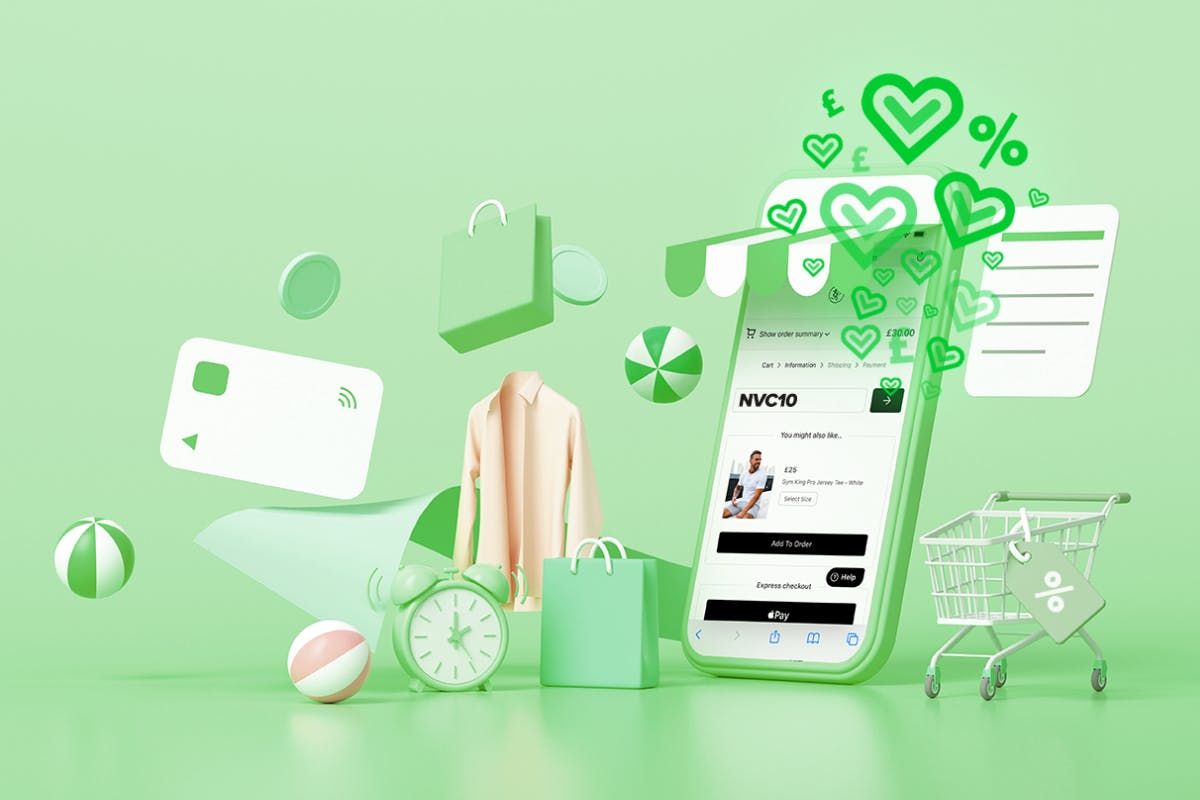
Before buying anything online, take a few seconds to check whether there is a live voucher code. It is one of the quickest ways to reduce your total, especially when shopping for fashion, beauty, homeware, travel, electronics and gifts.
At NetVoucherCodes, we list verified discount codes and offers for a wide range of retailers. You can search by brand, browse our shopping categories, check the latest deals, or look at popular offers before you shop.
For the best chance of saving:
- Check NetVoucherCodes before checkout
- Test the code before paying
- Read the terms and exclusions
- See whether it works on sale items
- Check free delivery thresholds
- Compare the final price, not just the discount
It is also worth signing up for the NetVoucherCodes newsletter if you want weekly offers sent straight to your inbox.
Our team regularly checks codes, updates expired offers and adds any key terms we know about, so you are not wasting time trying old or copied codes at checkout.
For more checkout-specific tips, read our guide on how to save money shopping online, including price checks, voucher codes, delivery tricks and cashback.
Plan travel early to spread the cost

If you are planning a holiday, city break or UK getaway, booking early can help you spread the cost and avoid last-minute panic prices.
Look for:
- Low deposit holidays
- Free child places
- Off-peak travel dates
- Package deals
- Discount codes
- Free cancellation options
- Luggage and transfer costs
- Travel insurance
- Airport parking offers
Do not just compare the headline price. A cheap flight can become expensive once you add bags, seats, transfers and hotel costs. Package holidays can sometimes be better value, especially if they include luggage, transfers or payment plans.
For package holidays, compare deals from travel brands such as TUI and Jet2holidays, and check whether a current travel discount code can bring the price down further. If you are planning a UK break, it is also worth looking at hotel deals from brands like Travelodge or comparing stays through Hotels.com.
You can also save by travelling outside school holidays, being flexible on airports, or choosing midweek departures.
Use Buy Now, Pay Later carefully
Buy Now, Pay Later services can help spread the cost of a planned purchase, but they are not a discount. You still have to pay the full amount, just over several instalments.
BNPL can be useful for essentials if you know you can afford each repayment. The problem is when it makes impulse purchases feel cheaper than they really are.
Before using it, check:
- The repayment dates
- Whether late fees apply
- Whether missed payments could affect you
- Whether you could save up instead
- Whether a voucher code would reduce the cost upfront
If you would not buy the item at full price today, think carefully before splitting the payment.
Check whether cashback is available
Cashback can sometimes be used alongside voucher codes, which means you may be able to save at checkout and get a percentage back later.
It does not always track, and it can take weeks or months to be confirmed, so do not rely on it for money you need straight away. It is better to see cashback as a bonus rather than guaranteed savings.
Before buying, compare:
- The voucher code saving
- The cashback amount
- Delivery costs
- Sale prices
- Whether using a code affects cashback tracking
A higher cashback rate is not always the best deal if another retailer has a lower price or a better voucher code.
Check your council tax band
Some homes are in the wrong council tax band, which means you could be paying more than you should. It is worth checking your band if you think your home may have been incorrectly valued.
Start by comparing your band with similar neighbouring properties. If yours looks unusually high, you can check the official guidance and decide whether to challenge it.
Be careful before submitting a challenge. Council tax bands can go up as well as down, so make sure you have a strong reason before taking it further.
Check whether you qualify for extra support
If your budget is under pressure, it is worth checking whether you qualify for government or local support. Some schemes are easy to miss, especially if your circumstances have recently changed.
Depending on your situation, you may be able to get help with:
- Energy bills
- Childcare costs
- Free school meals
- Healthy Start vouchers
- Prescriptions
- Council tax
- Housing costs
- Local hardship support
The Warm Home Discount is a one-off discount on electricity bills for eligible households. The GOV.UK page says the scheme has closed for winter 2025 to 2026 and is due to reopen in October 2026.
Always check GOV.UK, your local council or trusted advice services for the latest eligibility rules.
Use Section 75 for bigger purchases
If you are buying something expensive, paying by credit card can give you extra protection.
Section 75 may cover purchases costing more than £100 and up to £30,000 if something goes wrong, such as the item not arriving, being faulty, or the retailer going bust. MoneyHelper says you may still be covered even if you only pay part of the cost by credit card, as long as the full item price qualifies.
This does not mean you should use a credit card to spend money you do not have. The safest approach is to pay it off in full before interest is charged.
For smaller purchases, debit and credit card payments may have chargeback protection, but the rules are different.
Know your online returns rights
Before buying online, check the returns policy. A discount is not always a good deal if you cannot return the item or have to pay expensive postage to send it back.
For most online orders in the UK, GOV.UK says customers have 14 days after delivery to cancel an order, and retailers must refund the customer within 14 days of receiving the item back. There are exceptions, so always check the terms before buying.
Look for:
- How long you have to return the item
- Whether returns are free
- Whether sale items are included
- Whether you can return in store
- Whether refunds go back to your original payment method
- Whether personalised or hygiene products are excluded
This is especially important for fashion, furniture, baby items, beauty products and anything expensive.
Use AI tools to compare before you buy
AI tools can be useful when you are comparing products, planning a budget or trying to work out whether a deal is genuinely good.
You can use them to:
- Compare product features
- Summarise reviews
- Make a shopping checklist
- Compare similar items
- Work out the cost per use
- Plan cheaper meals
- Find questions to ask before buying
Just remember that AI tools are not always up to date. A price, discount code or delivery cost may have changed, so always check the retailer’s own website before buying.
Use AI to narrow your options, then do the final checks yourself.
Start with one or two changes
Trying to overhaul your entire budget in one go can feel overwhelming. Instead, pick one or two changes that feel realistic and build from there.
You might start by cancelling one subscription, planning three meals a week, checking voucher codes before shopping online, or setting a weekly spending limit.
Small changes are easier to stick to, and that is where the real savings come from.
Latest money-saving offers

Litecraft
Student15% off with Student Discount at Litecraft

Crystal Ski
£100pp off Winter Ski Holidays at Crystal Ski

Ebac
20% off Ebac 1850e Loft Mounted Dehumidifiers at Ebac

Laybrook
7% off Laybrook Duo 5 Turning Beds at Laybrook

Omio
12% off selected Ferry Bookings at Omio

Buy Sheds Direct
Up to 30% off Garden Offices at Buy Sheds Direct